

Biography of Yourself




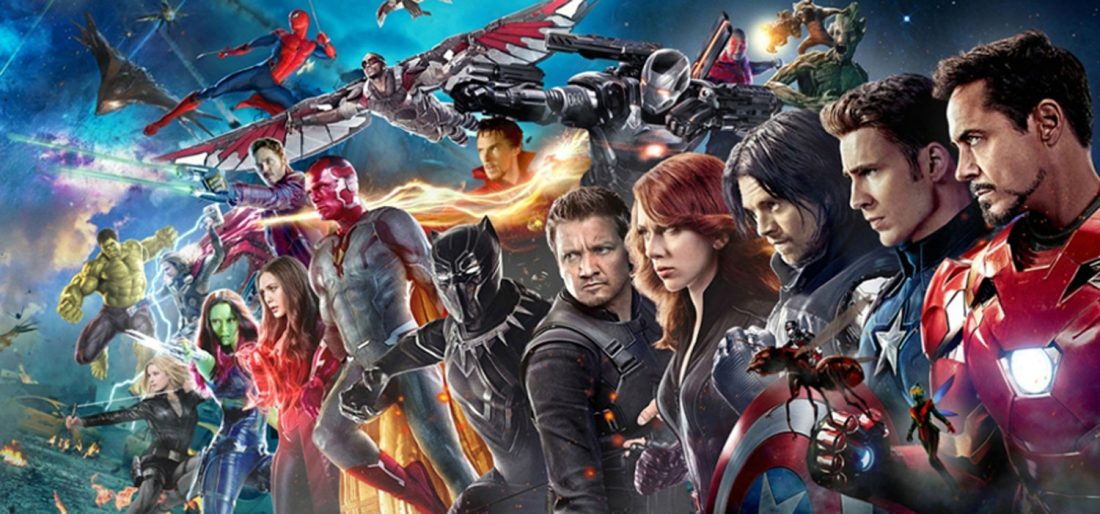
Marvel’s first attempts to produce films of his characters had, in the best of cases, little success. The television films of Doctor Strange and Captain America managed to connect with the audience in greater depth than Spider-Man.96 Although Stan Lee spent much of the 80s and 90s looking for producers interested in making films with Marvel characters, the results they were equally poor, like Howard the duck in 1986, The Punisher in 1989 or Captain America in 1990.97 A film centered on The Fantastic Four was produced in 1994 but never came to market, which gives an idea of its quality. However, the fate of Marvel films would change from 1997 with the premiere of Blade and, above all, X-Men in 2000, which raised $ 54 million in its first weekend.98 Other films would follow, as the first trilogy of Spider-Man started in 2002, the sequels of X-Men and the films focused on different characters of the Marvel Universe. The success of these films led to litigation between the publisher and Stan Lee, the public face of Marvel, in 2002. Stan Lee sued $ 10 million in benefits for movies and television series, based on a contract between him and Marvel 1998.99 Although the films of Marvel characters were initially made in collaboration with various film studios with no direct connection to the world of comics, Marvel Studios started producing their own films from 2008.100 The results of the direct involvement of Marvel in the production of his films have been a trilogy of Iron Man, the second installment of Hulk, Thor, Captain America and The Avengers. Deriving this way, in the creation of the Marvel Cinematic Universe, currently one of the most successful franchises in the history of cinema.101
It's the moment
The people likes marvel movies
Is what children will grow with
There is no more topic seen than this
A really fascinating subject for those who like this kind of movies
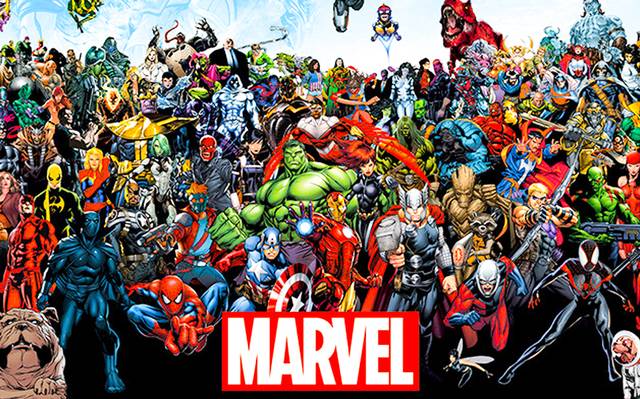
Marvel Worldwide, Inc., known as Marvel Comics, is an American comic book publisher created in 1939, initially under the name of Timely Publications. En 1961, la editorial que habría de ser Marvel Comics destacaba únicamente por sus cómics de monstruos y por el trabajo de dos de sus dibujantes, Jack Kirby y Steve Ditko.26 Sin embargo, en noviembre de 1961 aparecía Fantastic Four, una serie que bebía de la moda de los superhéroes y que rápidamente se ganó el favor del público gracias al desarrollo de sus personajes, cuya caracterización era mucho más realista que la de otros títulos superheroicos.27 Los 4 Fantásticos serían el pistoletazo de salida para otras series y personajes, como Astonishing Ant Man en enero de 1962, The Incredible Hulk en mayo de 1962, Spider-Man en el último número de Amazing Fantasy en agosto de 1962, Thor el número de Journey Into Mystery de agosto de 1962, Iron Man en el número de Tales of Suspense de marzo de 1963, la Avispa en el número de Tales to Astonish de junio de 1963 y el Doctor Extraño en el número de Strange Tales de junio de 1963.28 El éxito de estos personajes hizo que la compañía, que ahora respondía al nombre de Marvel Comics, se lanzase a publicar dos series de superhéroes en septiembre de 1963, The Avengers y los X-Men.29 Un nuevo superhéroe, Daredevil, aparecería en el título homónimo en abril de 1964, mientras que personajes de los años 40 como Namor y el Capitán América protagonizarían sus propios seriales, el primero en Tales to Astonish y el segundo en Tales of Suspense, en agosto de 1965 y noviembre de 1964 respectivamente.30 El último personaje de aquella etapa sería Nick Fury, un personaje que protagonizaba historietas bélicas desde 1963, pero que sería remozado a partir del número de Strange Tales de agosto de 1965, convirtiéndose en un agente secreto integrado dentro del universo ficticio de Marvel.31
 mcflys